

1. Introduction: Understanding Kids’ Digital Search Behavior in 2026
The digital world has become an everyday companion for our children and understanding kids search trends 2026 is more important than ever. Unlike adults, whose searches are often driven by productivity or specific needs, toddler search behavior is shaped by curiosity, imagination and rapid cognitive development.
Examining children online trends provides a powerful window into how our kids think, what excites them and how they learn in a digital-first era. These patterns also reveal how our kids digital behavior changes, including how children use technology for entertainment, education, and social connection.
For toddlers and young children, searching is rarely about typing a complex question. Instead, it often involves voice search, visual prompts, and intuitive taps on familiar icons. This article by World for Toddlers draws on a combination of aggregated search trends, industry research and app store data to provide a comprehensive overview of kids learning and gaming trends shaping 2025–2026. Ultimately, these insights are aimed to help parents and educators better understand the digital environment influencing the next generation and how to create safer, more enriching experiences for our young users.
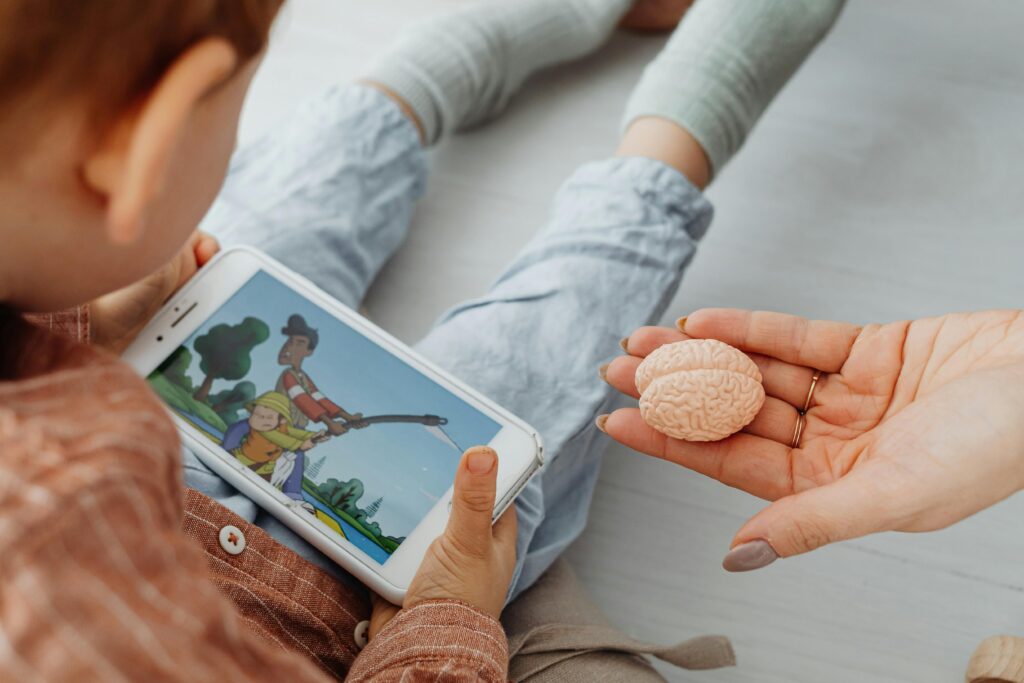
2. Entertainment-Led Search Behavior Among Kids
Entertainment remains the strongest driver of our kids digital behavior in 2025- 2026, shaping how children interact with search platforms, kids apps and devices. As a result, kids search trends 2025- 2026 show that entertainment is often the gateway through which children experience the broader digital ecosystem, blending play, learning, and passive consumption.
2.1 Video Streaming Platforms as Primary Search Destinations
For many of our children today, video streaming platforms function as search engines in their own right. Platforms like YouTube, Netflix, Disney+, Prime Video and Twitch dominate children online trends, especially among kids who associate search with visual results rather than text-based links.
Unlike adults, kids rarely perform intentional or keyword-driven searches. Instead, toddler search behavior is largely shaped by algorithm-driven discovery. Autoplay features, recommended videos and “watch next” suggestions guide children from one piece of content to another with little conscious decision-making.
Autoplay and personalized recommendations play a powerful role in shaping our kids digital behavior, influencing what children watch, how long they stay engaged and what they search for next. As a result, entertainment-driven platforms are not just content libraries but central hubs making them critical to understanding modern kids learning and gaming trends.
2.2 Cartoons & Animated Content Still Dominate Toddler Searches
Cartoons and animated videos continue to dominate our kids search trends 2025 -2026, particularly among toddlers and preschool-aged children. Search interest around titles like CoComelon, Peppa Pig, Troopa Deluxe, and My Story Animated reflects a strong preference for familiar characters and predictable storytelling. Repetition is a defining feature of toddler search behavior, as young children often seek the same videos repeatedly to reinforce comfort and understanding.
Many children online trends show that toddlers use animated videos as informal learning tools absorbing words, sounds and social cues long before they can read or write. This emotional connection explains why toddlers actively search for the same content instead of exploring new options. From an SEO and content perspective, these patterns highlight how kids digital behavior is deeply tied to emotional familiarity and sensory engagement.
2.3 Short-Form Video & Influencer Content for Kids
Short-form video and creator-led content are becoming increasingly visible in kids search trends 2025 -2026, especially on platforms like YouTube Kids and kid-focused animation channels. One notable shift in our children online trends is the rise of kid-friendly influencers and animated hosts who act as recurring digital personalities. This overlap reflects broader kids learning and gaming trends, where fun and education are no longer separate experiences.
Some children watch content under active supervision, while others navigate platforms independently, guided by thumbnails and recommendations. These mixed viewing behaviors further reinforce algorithm-driven discovery as a central force shaping kids digital behavior.
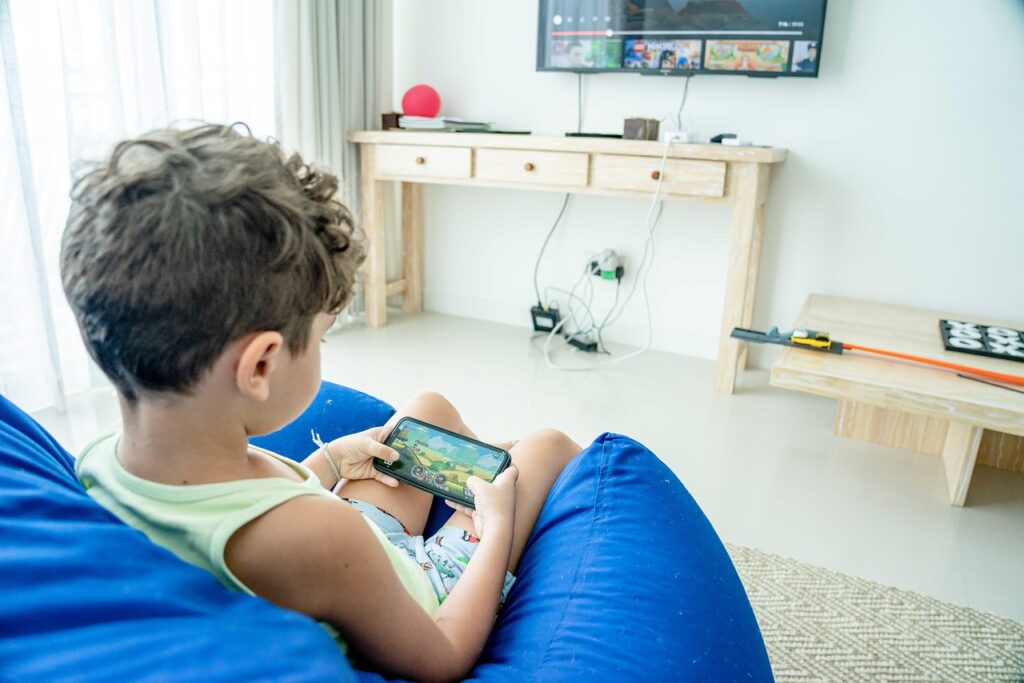
3. Gaming as a Central Search Category for Children
Gaming has evolved into one of the most influential drivers of kids search trends 2025 -2026, shaping how our children interact with technology, peers and digital environments. As a result, kids digital behavior increasingly reflects a blend of play, communication and problem-solving rooted in game-based experiences.
3.1 Online Games as Social Spaces
Platforms like Roblox, Minecraft, Poki and Brawl Stars dominate children online trends, not just because they are fun, but because they function as virtual playgrounds. Search behavior around these titles shows that children are often looking for experiences rather than specific outcomes like worlds to enter, characters to become and communities to join.
This kind of exploratory play reflects a shift in toddler search behavior and early childhood gaming, where the focus is less on winning and more on experimentation and imagination. Multiplayer interaction adds another layer to kids learning and gaming trends. Games become social learning spaces where children practice cooperation, communication and conflict resolution.
These virtual environments also support identity exploration but parents must closely observe and guide. From an analytical perspective, gaming-related searches highlight how kids digital behavior is deeply tied to social connection, creativity and shared experiences not just screen time.
3.2 Why Browser-Based and Free Games Rank High
Browser-based and free-to-play games consistently rank high in kids search trends 2025 -2026 largely due to their low barriers to entry. This accessibility strongly influences toddler search behavior, where ease of use is essential.
Instant gratification is another key factor. Kids often search for “play now” experiences rather than long-term progression, reinforcing a preference for fast, engaging content. This means traditional web search still plays a role in shaping children online trends, especially for casual gaming. Together, these factors explain why browser-based games remain a central part of kids learning and gaming trends despite the growth of mobile platforms.

4. Educational and Learning-Oriented Searches by Kids
Educational content is playing an increasingly important role in kids search trends 2025 – 2026. As technology becomes embedded in classrooms and homes, kids digital behavior shows a clear shift toward blended learning where curiosity, creativity and convenience shape how children search for information. These children online trends highlight a generation growing up with search as a core learning companion rather than a last resort.
4.1 Learning Through Digital Tools
Search interest in platforms like Scratch, coding for kids programs and online learning platforms points to early exposure to programming and digital creation. This aligns strongly with evolving our kids learning and gaming trends, where learning feels more like play than traditional instruction.
These patterns in kids digital behavior show how children are drawn to platforms that reward curiosity and imagination rather than rote repetition. Self-directed exploration also defines modern toddler search behavior and early learning searches. This independence signals a broader transformation in our children online trends, where search becomes a tool for discovery and creative problem-solving rather than just academic support.
4.2 Translation Tools & Knowledge Queries
Another notable area within kids search trends 2025 – 2026 is the growing use of translation tools and general knowledge queries. Searches for translate functions, language tools and homework-related topics reveal how children rely on search to navigate multilingual environments at home and school. This behavior reflects a shift in kids digital behavior toward immediate, on-demand learning, where answers are accessed as needed.
Within broader kids learning and gaming trends, this represents a fundamental change in how knowledge is acquired. Together, learning tools and translation-based searches illustrate how children online trends are evolving toward a more autonomous, resource-driven approach to education, one where curiosity leads and search empowers.
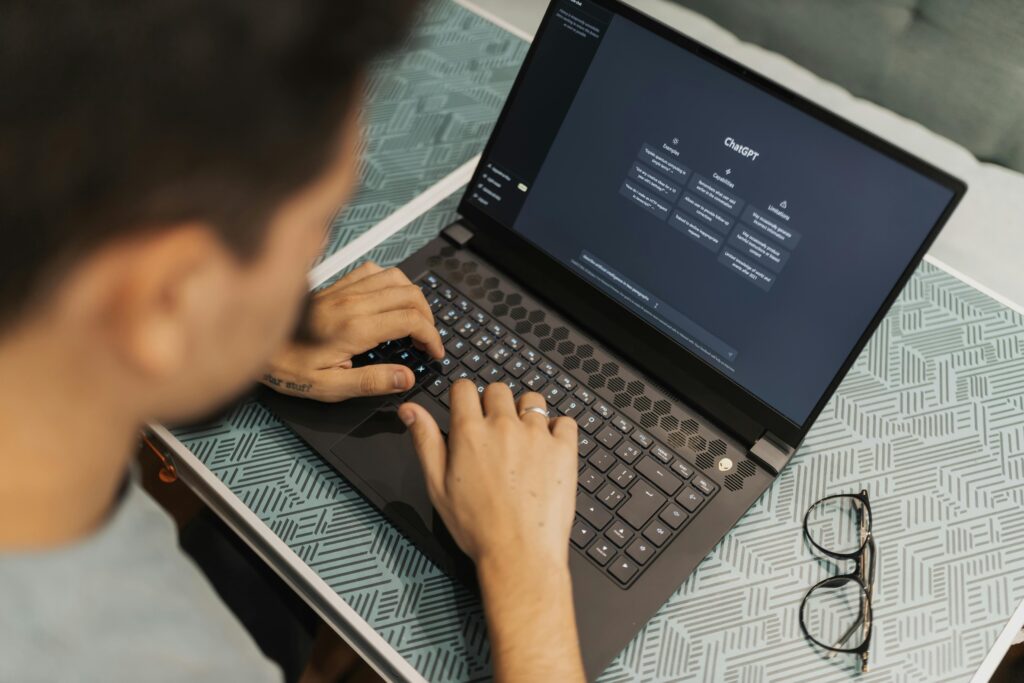
5. The Rise of AI Curiosity in Children’s Searches
One of the most significant shifts within our kids search trends 2025 – 2026 is the growing curiosity around artificial intelligence. This reflects broader children online trends, where search is evolving from a one-way information lookup into an interactive experience shaped by dialogue and imagination. As a result, kids digital behavior is becoming more conversational, experimental and creative.
5.1 AI Tools as Discovery Platforms
Search interest in tools such as ChatGPT, Character.ai, Gemini and other AI chatbots shows that children are increasingly experimenting with AI as discovery platforms rather than traditional search engines. Unlike standard search results, these tools invite questions, follow-ups and exploration, aligning naturally with toddler search behavior and early childhood curiosity.
This conversational format supports storytelling role-play, and creative expression which are key elements of modern kids learning and gaming trends. Storytelling and Q&A are especially popular use cases. These behaviors reflect a deeper shift in kids digital behavior, where learning and entertainment increasingly overlap through interactive technology.
5.2 How AI Is Changing Search Behavior for Kids
Instead of typing keywords, kids are asking full questions, giving instructions, or starting conversations. This move from “searching” to “asking” highlights a major change in kids search trends 2025, driven by natural language interaction.
As part of broader children online trends, this AI shift lowers barriers to learning while increasing engagement. Within evolving kids learning and gaming trends, AI represents both an opportunity and a responsibility—reshaping how young users search, learn, and interact with knowledge in a rapidly changing digital world.

6. Early Education & Structured Learning Searches
Early education-related queries are becoming a more visible part of kids search trends 2025 – 2026, reflecting how formal learning increasingly intersects with digital tools. Searches related to preschool, kindergarten, learning games and educational apps show that children are engaging with structured content at younger ages. These patterns highlight evolving children online trends, where search supports both guided instruction and independent exploration.
Blended learning environments play a central role in shaping kids digital behavior. Within kids learning and gaming trends, educational games stand out for their ability to combine structure with engagement, helping children absorb concepts through interactive play.
From an analytical perspective, these searches reveal how toddler search behavior is shaped by both institutional learning and curiosity-driven play while blending structure with exploration in a way that feels natural to young learners.
7. What Kids’ Search Trends Reveal About Childhood in 2025 – 2026
Taken together, kids search trends 2025 – 2026 offer a powerful lens into what childhood looks like in a digitally connected world. These children online trends show that fun and function are deeply intertwined. Learning through play emerges as a defining theme. This reinforces the idea that kids digital behavior is not passive consumption but active interaction where curiosity drives engagement and discovery.
Within broader kids learning and gaming trends, this independence reflects growing confidence and adaptability. Ultimately, kids search trends 2025 – 2026 reveal a generation growing up with search not just as a tool—but as a companion in learning, play, and development.

8. Future Outlook: Kids’ Search Trends 2025 – 2026
Kids search trends 2025 reveal that children’s online behavior is increasingly entertainment-driven yet learning-focused. Video platforms like YouTube, Disney+ and Netflix dominate searches, with animated series such as CoComelon and Peppa Pig shaping toddler search behavior through repetition, visual storytelling and familiar characters.
Gaming is a central category in our children online trends, with platforms like Roblox, Minecraft, Poki and Brawl Stars serving as social, creative and problem-solving spaces. These patterns highlight how kids digital behavior blends play, collaboration and early digital literacy.
Educational searches, including Scratch, coding for kids, online learning platforms, and translation tools, show a shift toward self-directed learning and creativity. AI-powered tools like ChatGPT, Character.ai and Gemini are redefining search, encouraging conversational queries, curiosity-driven exploration and interactive storytelling. Our children are moving from keyword-based search to natural language interaction, signaling a major change in kids learning and gaming trends.
Looking to 2026, key trends include:
- Entertainment-first entry points guiding learning and discovery
- Gamified and AI-driven learning tools supporting early STEM and language skills
- Increasing autonomy in online exploration and digital literacy
- Emphasis on safety, moderation, and platform responsibility
In short, our children’s searches are shaping a digital ecosystem that blends entertainment, education, creativity and AI exploration while making early understanding of these trends essential for parents, educators, and developers alike.
World for Toddlers is the first platform dedicated entirely to toddler learning, growth and development—created by parents, with parenting in mind. Our mission is to strengthen the bond between parents and their little ones. With engaging toddler activities, kid-friendly tools and fun games, learning becomes enjoyable for children and peaceful for parents.
Explore the ultimate toddler learning experience here: https://worldfortoddlers.com/toddler-games-tools/. If you would like to explore more about the tools or want to customize one for your visit here!

