- Introduction
- Toddler Developmental Milestones
- Toddler Tantrums and Behaviour Management
- Learning Activities for Toddler Development
- Supporting Your Toddler’s Emotional Health
- FAQs for Toddler Development
- Conclusion
Introduction
Toddler development, behaviour and their sleep are of extreme importance. Most of us parents feel lost on how to manage our toddlers’ health and early education. This is why I felt the need to put together all the information that is needed by parents into a thoughtful and thoroughly researched ultimate toddler development guide. Since parenting toddlers can be challenging, we break down toddler milestones into easily doable steps for you.
Toddler Developmental Milestones
1. Physical Development in Toddlers
Toddler physical development focuses on how your children grow, move and gain overall control of their bodies.
a. Age-Based Physical Development Examples
- 12 to 18-month-olds can be able to begin walking independently, pick up food with fingers and push toys while walking.
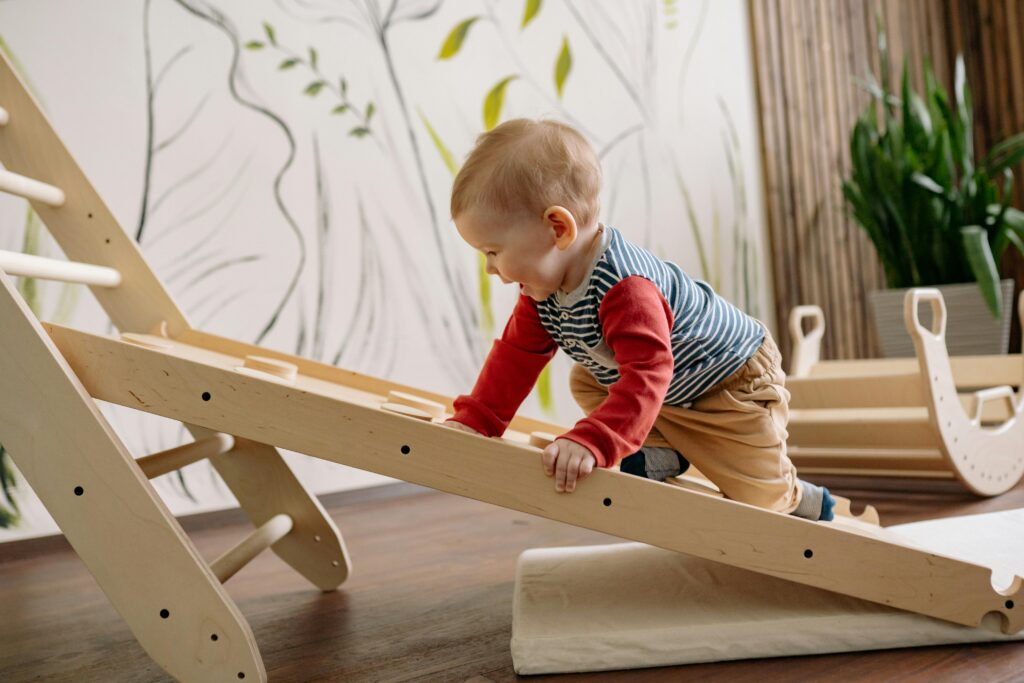
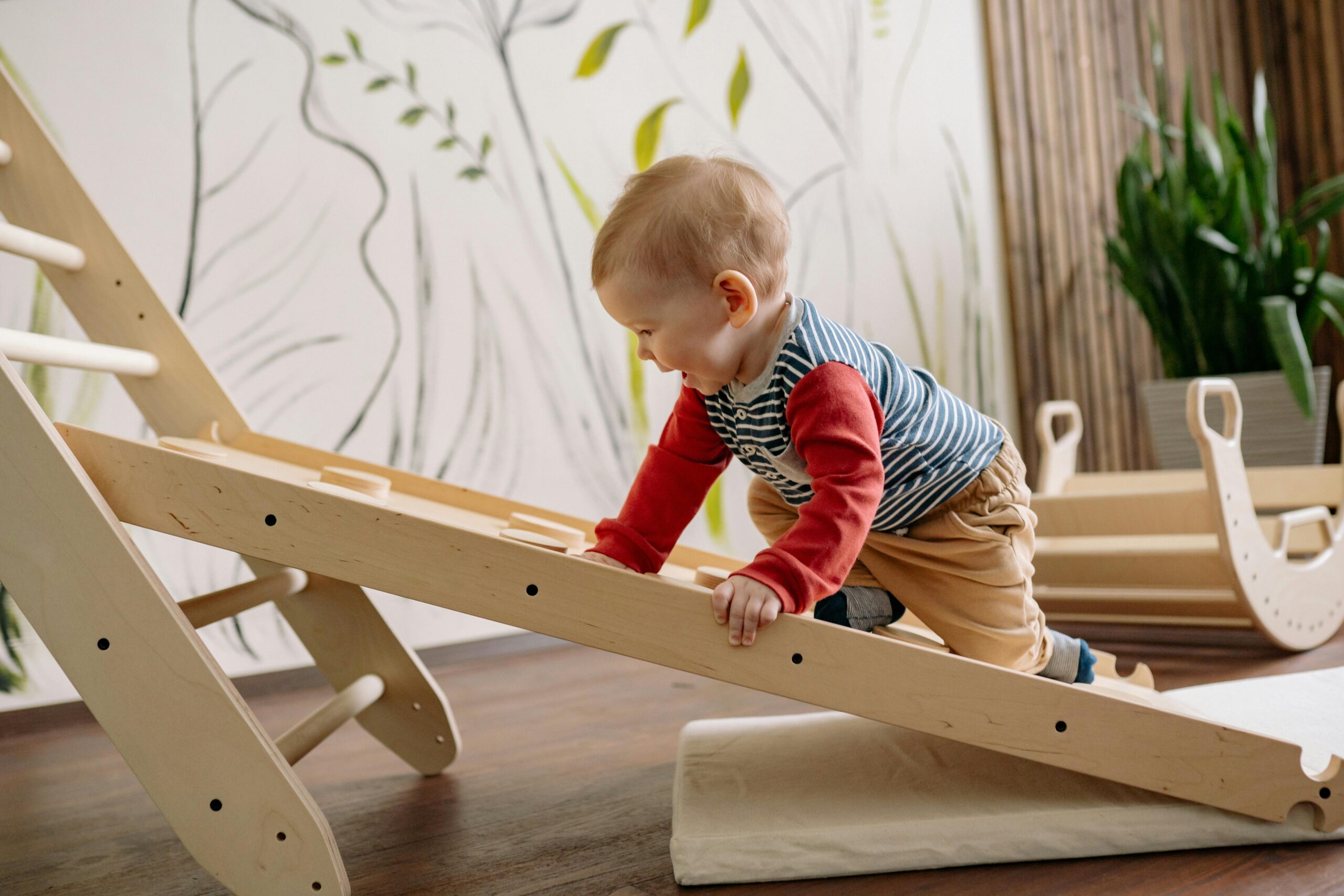
- 2 to 4 years old can usually run, climb furniture, jump with both feet, builds block towers, draws lines or circles, etc.
b. How Parents Can Support Physical Growth
- Offer toys that encourage movement and hand control
- Allow safe indoor and outdoor play
- Encourage daily activity through play, not pressure
2. Cognitive and Language Toddler Development
This stage focuses on thinking, learning, problem-solving and communication.
a. Cognitive Development Skills
- Understanding cause and effect
- Recognizing shapes, colors and patterns
- Solving simple problems (puzzles, shape sorters)
b. Language and Speech Development
- Learning new words daily
- Understanding instructions
- Imitating sounds and conversations
Age-Based Examples Parents Recognize
- 12–18 months
- Says a few simple words (“mama,” “baba”)
- Follows basic commands (“come here”)
- Points to familiar objects
- 2–3 years
- Uses short sentences
- Asks simple questions
- Names objects, animals and people
3. Social and Emotional Toddler Development
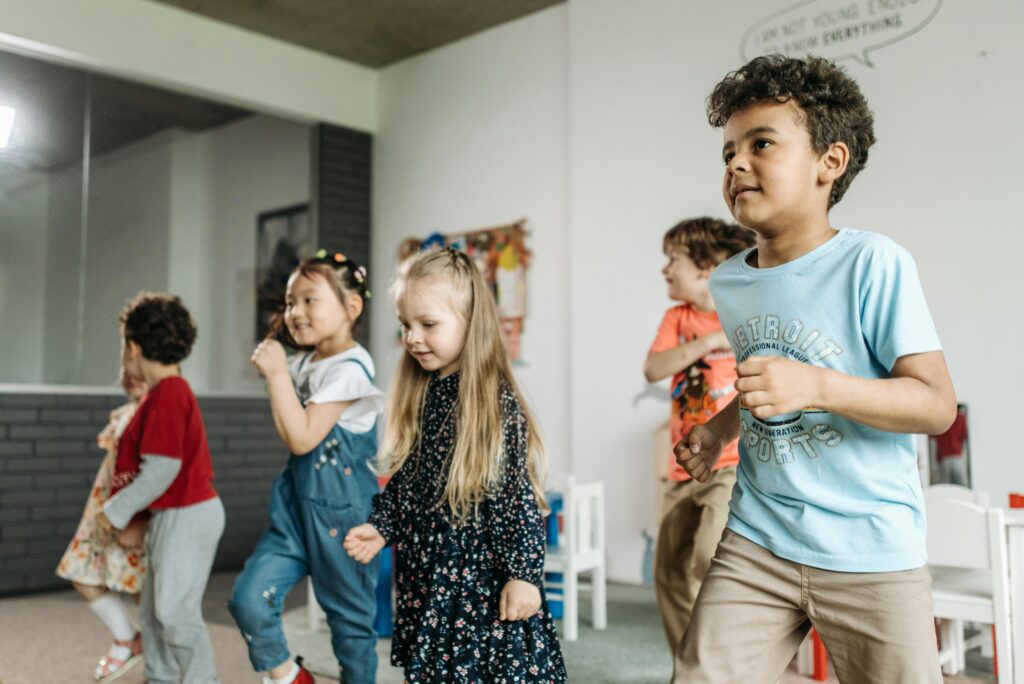
This area focuses on how toddlers understand emotions and interact with others.
a. Key Social and Emotional Skills for Toddler Development
- Expressing emotions (happy, sad, frustrated)
- Learning to share and take turns
- Developing independence
- Building trust with caregivers
b. Normal vs. When to Worry
| Behavior | Normal Development | When to Worry |
| Separation anxiety | Cries briefly, calms down | Intense distress lasting hours |
| Social interaction | Plays near other kids | Avoids all interaction |
| Emotional control | Occasional tantrums | Frequent, extreme meltdowns |

Toddler Tantrums and Behaviour Management
To positively discipline our toddlers, we must focus on teaching behaviours with care and love, not punishing. With patience, consistency and empathy, all toddlers learn self-control, emotional regulation and trust.
Why Toddlers Have Tantrums
- Toddler tantrums are not bad behaviours; they are a normal part of their development.
- Toddlers experience strong emotions but are unable to express them in the right form.
- Parents can easily notice common triggers like hunger, tiredness, frustration or sudden changes.
- Toddler behaviour problems often peak between the ages of 1 to 3 as children test independence.
- Tantrums are a sign that your toddler is learning emotional regulation, not failing at it.
Common Toddler Behaviour Challenges
Why does my toddler hit?
Your toddler often hits when they feel overwhelmed or excited, as they are unaware of the common boundaries. It can also be a way for them to get your attention or express frustration. Always take notice and respond politely.
Why doesn’t my toddler listen?
All toddlers have short attention spans and limited impulse control. It’s not that they are not listening; they may actually be unable to fully understand the instructions or be focused on exploring something around them.
Positive Discipline Techniques for Toddler Development
- Stay calm and speak in simple, clear sentences.
- Set consistent rules and routines.
- Acknowledge feelings and be kind: “I see you’re upset.”
- Always redirect behaviour to a safer or acceptable activity.
- Praise positive behaviour immediately.
What Not to Do
- Don’t yell, shame or label your child as “bad.”
- Avoid physical punishment as it increases behaviour problems.
- Don’t give in during tantrums just to stop the crying.
Learning Activities for Toddler Development
Why Play-Based Learning Matters
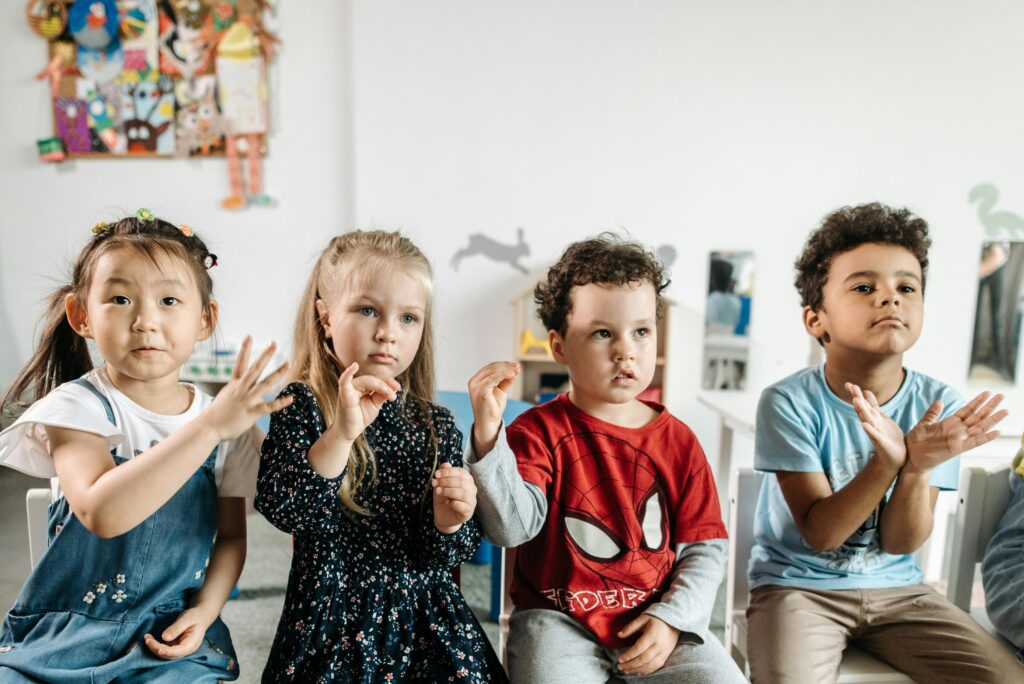
Learning through play is the most natural way for toddlers to explore and understand the world around them. Play-based learning supports early childhood learning in your toddler by developing thinking, movement, language and emotional skills. This is very important for toddlers to improve attention span, creativity and confidence. Let your children learn at their own pace without pressure, making learning enjoyable and effective. You can choose daily activities from our fun activity generator anytime!
Educational Activities at Home
Simple daily activities can become powerful learning experiences.
Ages 1–2 Years
- Stacking blocks or cups
- Sensory play with soft textures
- Sorting large shapes and colors
Ages 2–3 Years
- Simple puzzles and matching games
- Pretend play (kitchen sets, dolls)
- Reading picture books together
- Counting everyday objects
Ages 3–4 Years
- Alphabet and number games
Drawing, coloring and craft activities - Storytelling and role play
- Building with blocks or construction toys
Screen Time for Toddler development
Limited toddler screen time can be beneficial for toddlers when monitored correctly. Always choose high-quality educational apps for kids that encourage interaction, not passive watching, like our interactive Alphabet and Counting games. Parents must understand that screens should support learning but never replace physical play or social interaction.

Supporting Your Toddler’s Emotional Health
Supporting toddlers’ emotional health is crucial for their overall development, both mentally and physically. Building a strong sense of emotional security in your toddler ensures positivity in their behaviour. Toddler attachment to their parents plays a crucial role in their lifelong development. Toddler emotional development is highly dependent on the parents and the environment in which they live.
Encouraging Independence
Pampering toddlers all the time can hamper the development of their independence. Toddler independence holds great value as it teaches them how to behave in settings where their parents are not present. This blog covers all the major parenting tips for toddlers. If you still have any more queries, you can comment below!
FAQs for Toddler Development
Conclusion
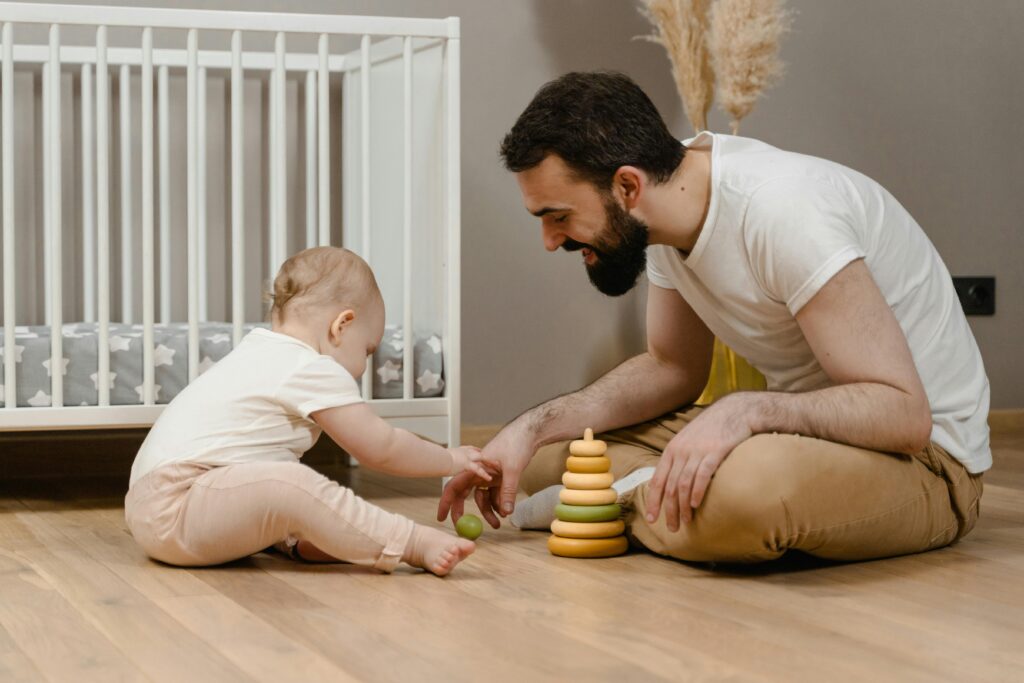
Supporting healthy toddler development starts with simple everyday moments. Through learning through play, parents can strengthen toddler physical development, language skills and emotional growth. Educational toys, play-based activities and positive guidance help toddlers build confidence and independence at their own pace.
Explore our website: https://worldfortoddlers.com/ for more helpful toddler content and toddler games!
World for Toddlers is the first platform dedicated entirely to toddler learning, growth and development—created by parents, with parenting in mind. Our mission is to strengthen the bond between parents and their little ones. With engaging toddler activities, kid-friendly tools and fun games, learning becomes enjoyable for children and peaceful for parents.
Explore the ultimate toddler learning experience here: https://worldfortoddlers.com/toddler-games-tools/
If you would like to explore more about the tools or want to customize one for your visit here